It’s more likely a physique thing rather than skill thing. If you’re healthy, with good eyesights and steady hands(well, I’m non of both but I’m okayish) You don’t really need any skill that’s beyond watching a 10 minute video and follow it. I have almost 0 soldering experience (I mean i soldered things, but the total time of me doing it combined is probably under an hour for my entire life).
You just need:
- a reasonably good and thin precision soldering iron. Mine is a FNIRIS/Makerworld collaboration soldering iron that’s pretty basic.
- Flux
- Wicks
- pair of precision tweezers
- magnification glass for pcb soldering helps, but it’s not required.
When desoldering old resistor, depending on how it goes, you can apply some flux to desolder and remove the old solder with the wick, then add some solder on the soldering base (like a tiny drop of it is ok, if you can see the bulge then it’s working.). Use the tweezer to drop the new resistor on to the soldering base, hold it, heat it up, remove the soldering iron when you see the solder is melted.
Then repeat the same process for the otherside of contact.
Watch this video:
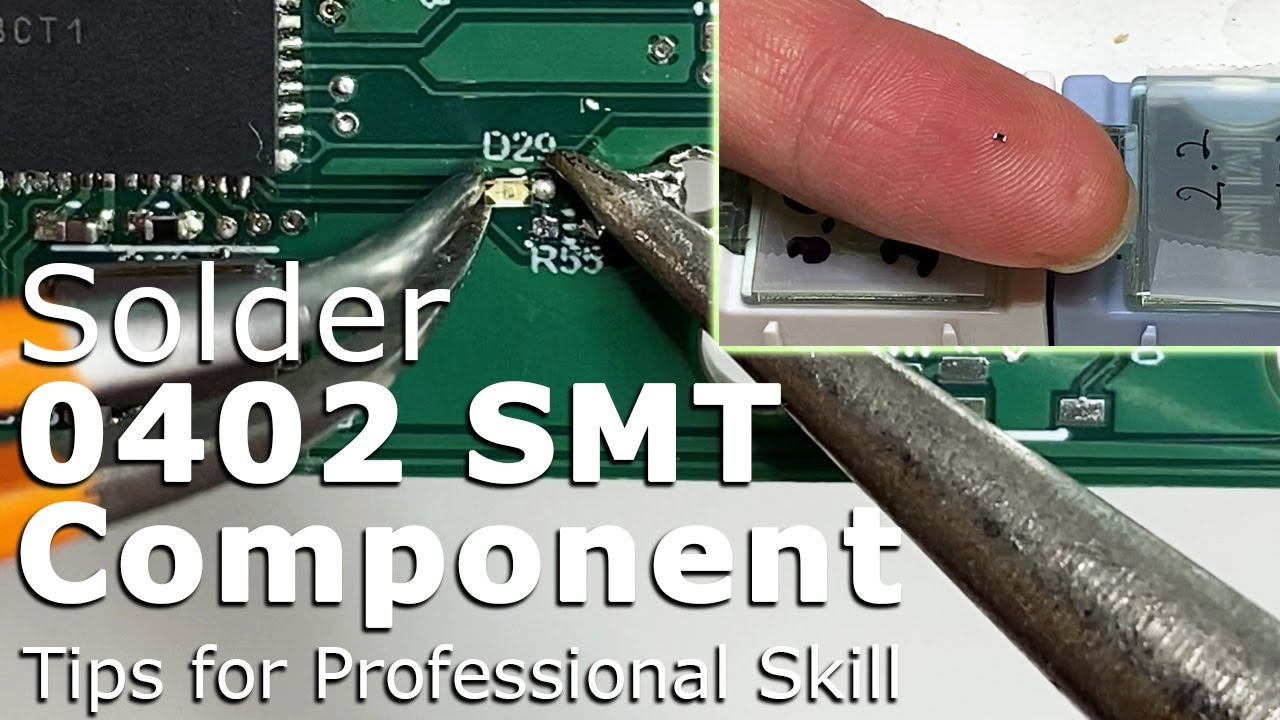
It took me like 3 minutes for trying, successed in the first try.